News
Innovation and Research
Sandra Sabattini Award
Assignment of two scholarships to female graduate students at the University of Bologna, in all its locations
Innovation and Research
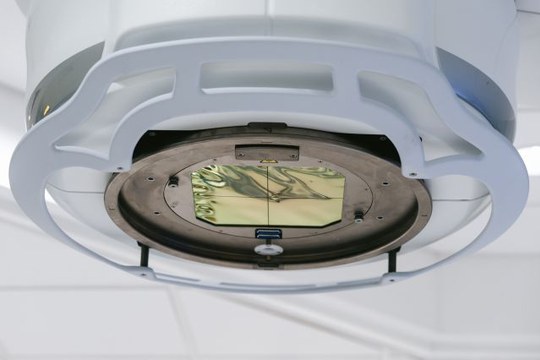
FIRE is born: the innovative dosimeter for radiotherapy control
Scholars have developed a flexible and economical proton detector that will be able to maximize the effects of radiotherapy, precisely monitoring radiation doses released on tumor cells.
Innovation and Research
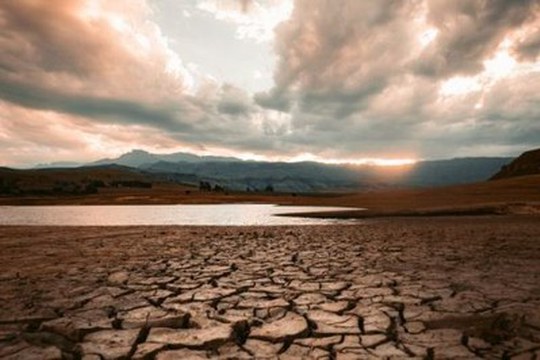
Climate change amplified the great drought of 2022
By comparing atmospheric observations in the period between 1836 and 2021, scholars have shown how global warming contributed to increasing the intensity of the phenomenon
Innovation and Research
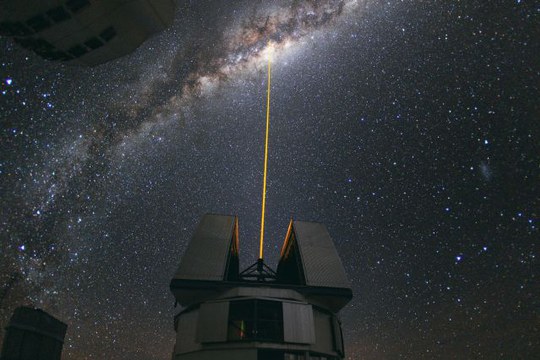
In search of the "chemical DNA" of the stars, to reconstruct the history of the formation of the Milky Way
Thanks to ESO's Very Large Telescope, a group of scholars from the University of Bologna and INAF will reveal the chemical elements present inside 17 very ancient star clusters.

Innovation and Research
Tommaso Calarco at the University of Bologna
The internationally renowned physicist and scholar in the field of quantum technologies has taken service at the "Augusto Righi" Department of Physics and Astronomy of the Alma Mater.
Innovation and Research
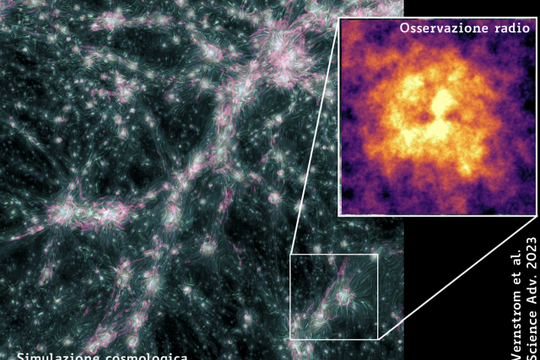
Giant polarized shock waves shake the cosmic web of the universe.
Scientists observed the undebatable traces of the cosmic magnetism that is generated, at the periphery of galaxy clusters and cosmic filaments when massive masses of plasma come towards the cosmic web
Innovation and Research
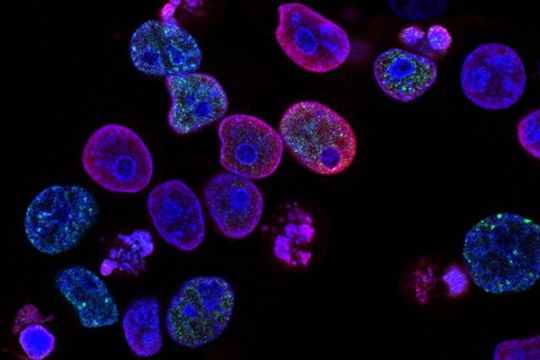
A single-cell biosensor
The device is miniaturized and highly sensitive and it can monitor the cell adhesion process at the level of single cells. There are numerous possible applications in the biomedical field.
Innovation and Research
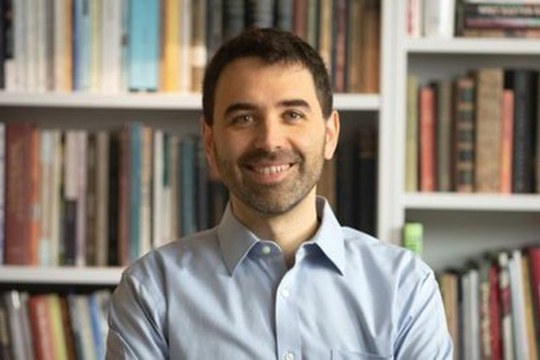
When stars are no longer born: the challenge of the new ERC Red Cardinal project
Led by Sirio Belli, a researcher at the University of Bologna's Department of Physics and Astronomy "Augusto Righi", the frontier research project funded by the European Research Council will use observations from the James Webb Space Telescope to shed light on a still mysterious phase in the history of the Universe
Innovation and Research
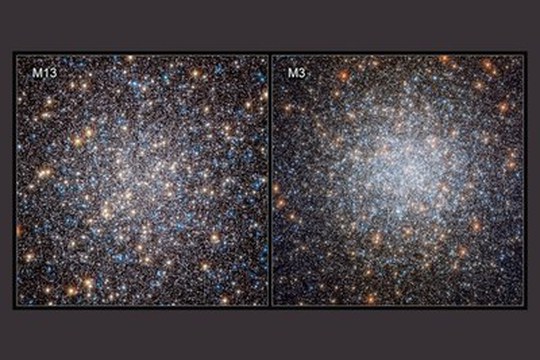
Some stars age at a different rate
Some White Dwarf stars retain a thin layer of hydrogen that allows them to produce energy for a longer period of time and thus extend the final stage of their life. The discovery was made by a research team led by scientists from the University of Bologna and the National Institute for Astrophysics (INAF)